
Home Earthquake Preparedness Resources

Explore This Page

Preparedness Priorities

A practical hierarchy for deciding which household precautions deserve attention first

Crucial

Address these first. They affect immediate personal safety and the ability to function after a damaging earthquake.

Bed placement

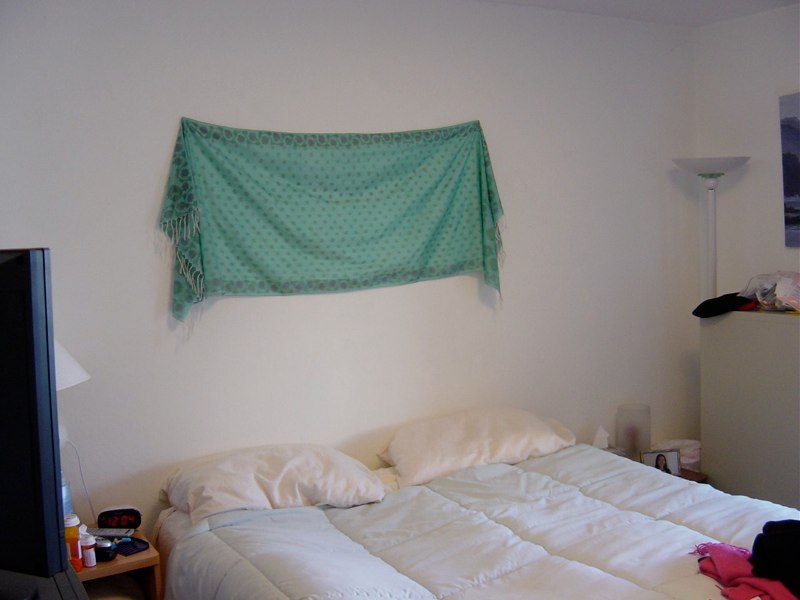
Do not place a bed beneath heavy, sharp-cornered, glass, or poorly secured wall-mounted objects. Consider what could fall across the bed, block the exit, or leave broken glass between the bed and the doorway.

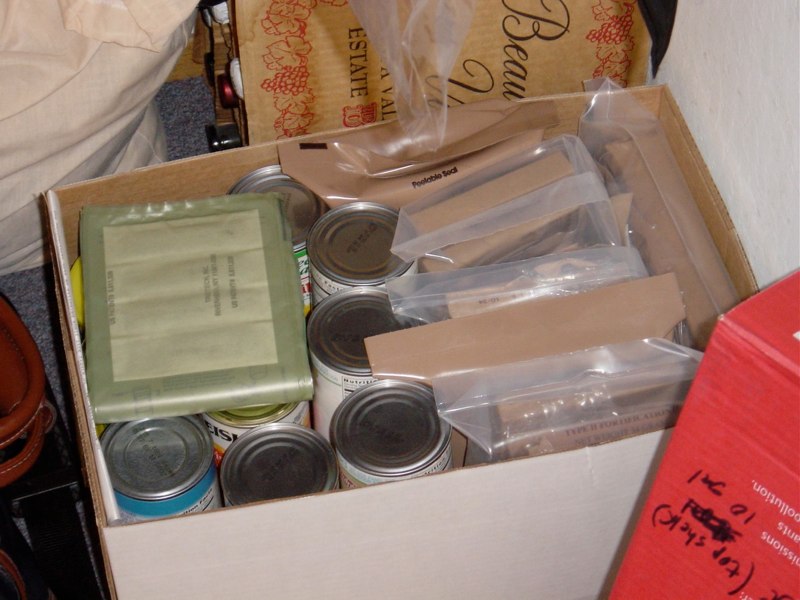
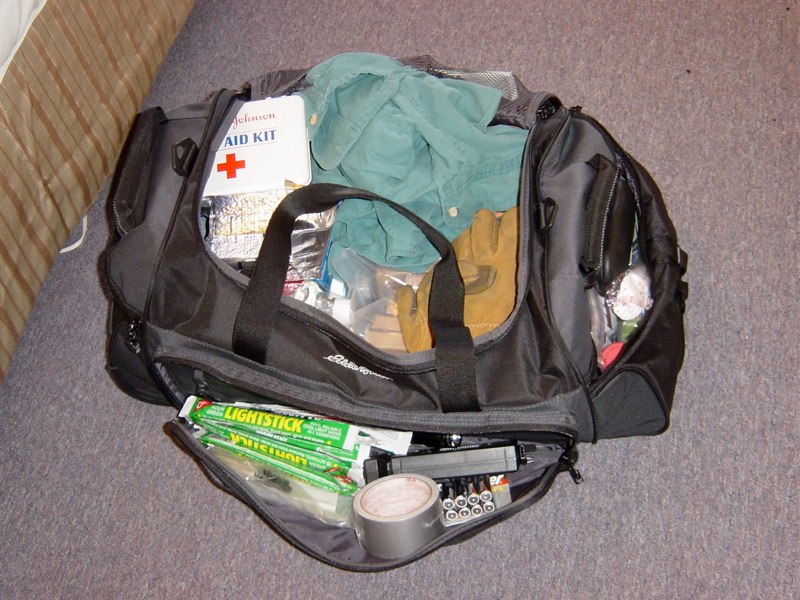
Emergency supplies

Keep water, food, light, first aid, medication, sanitation supplies, communication tools, and essential documents where they remain reachable after cabinets, shelving, or utilities are damaged.

Early Alert & Notification Apps

These apps provide access to early-warning systems, alerts, information, and practical notification tools.

MyShake: Earthquake early-warning and earthquake-information application.

QuakeFeed: From USGS, quick earthquake updates and custom notifications from around the world.

Watch Duty: Wildfire incident and alert information that can be useful during overlapping regional emergencies.

Availability: search your device's official app store for "MyShake", "QuakeFeed", and "Watch Duty".
Strongly Recommended

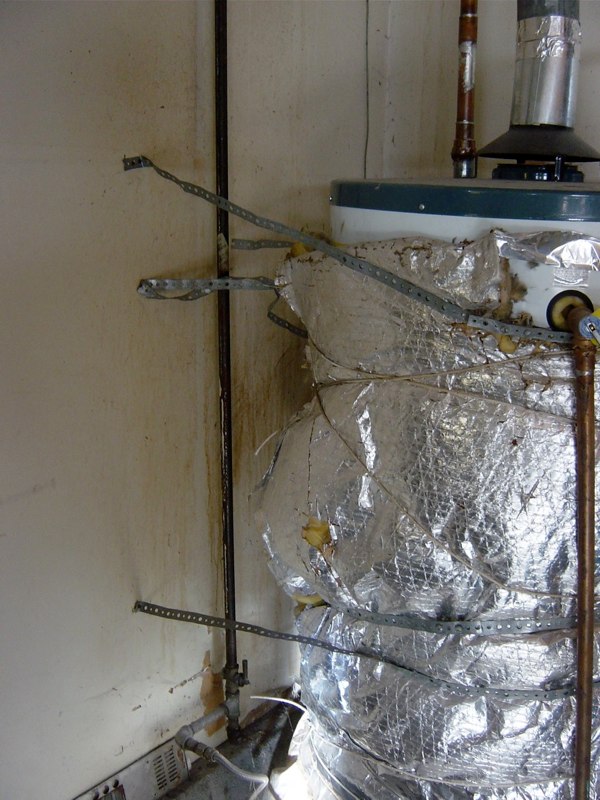
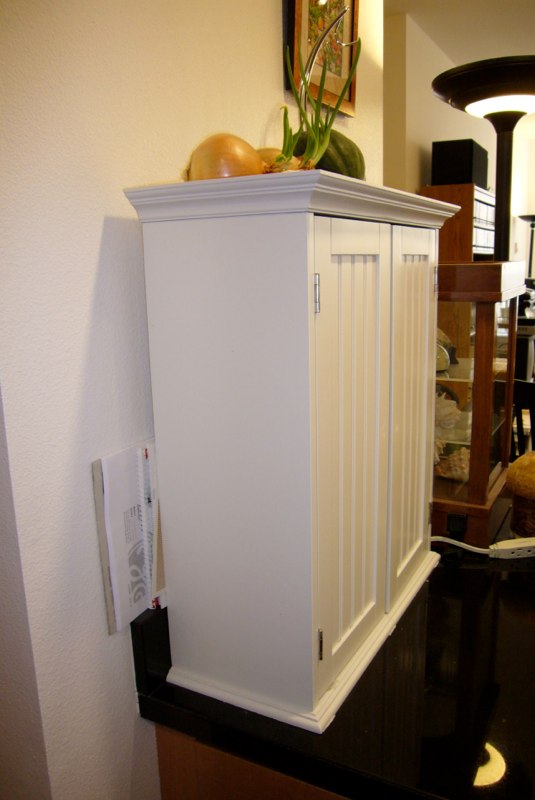
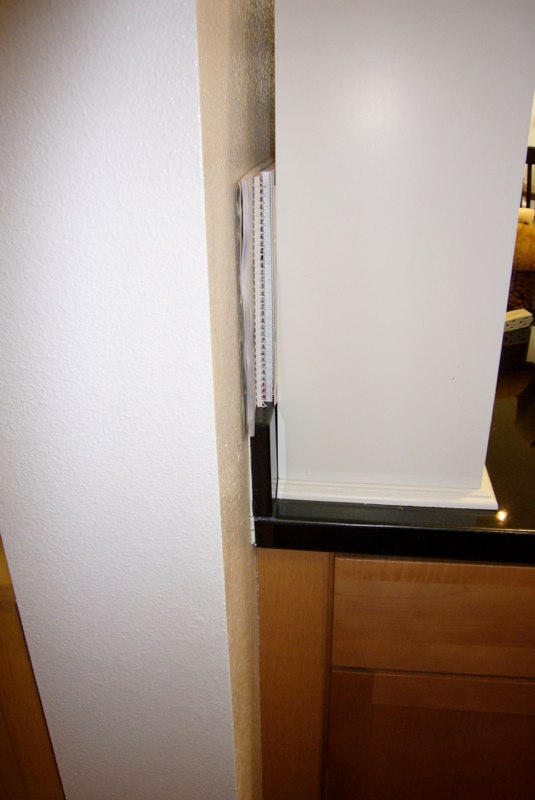
These measures reduce several of the most common household hazards: falling furniture, wall hangings, electronics, books, and other shelf contents.
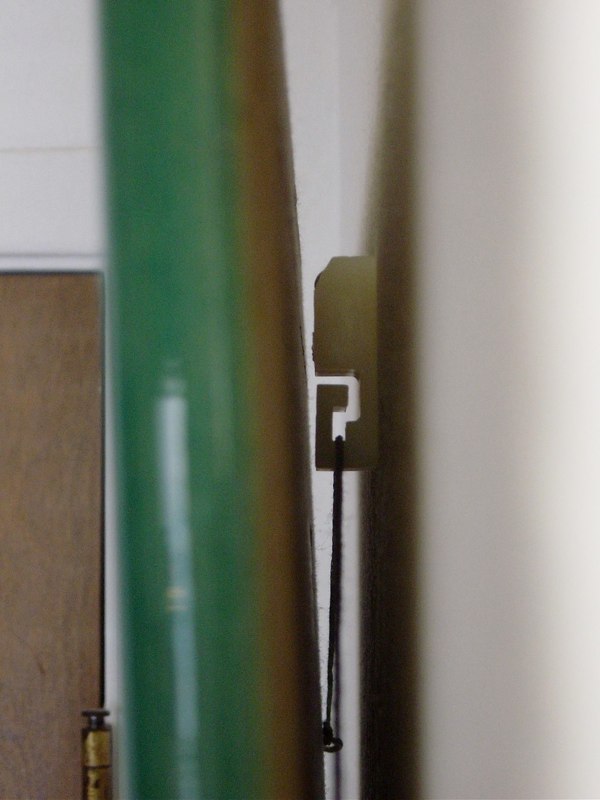
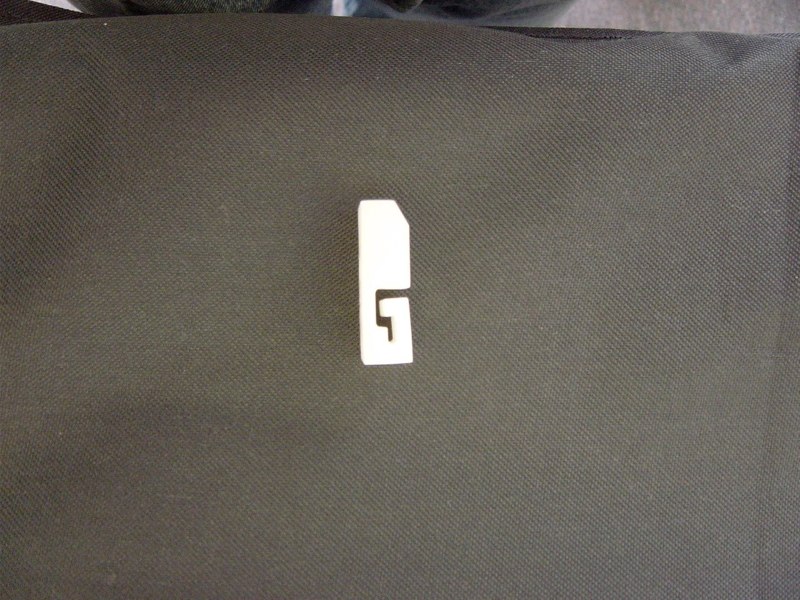
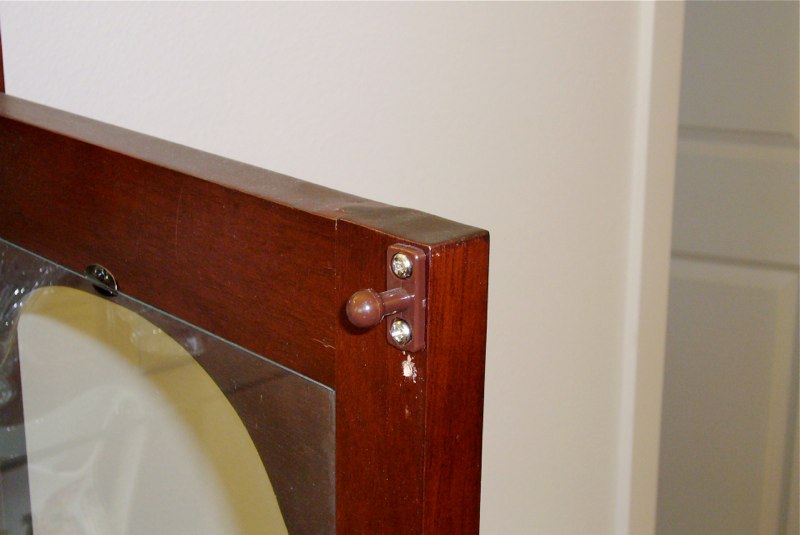
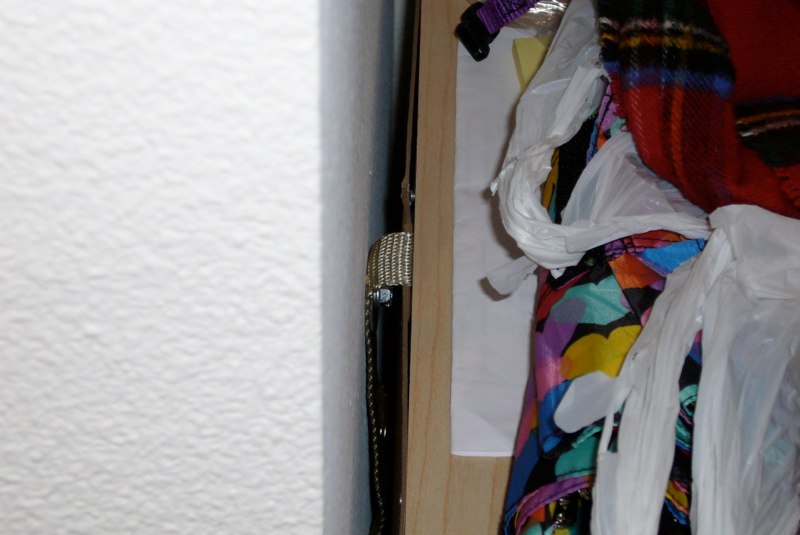
Use "maze" picture hooks

Use closed or locking picture-hanging hardware that makes it difficult for a wire or frame to bounce free during repeated side-to-side motion.

Brace tall bookcases

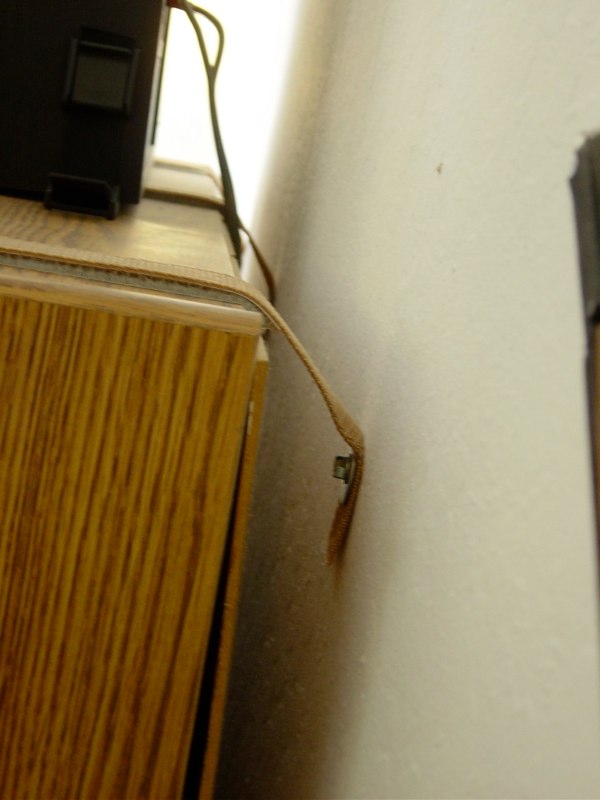
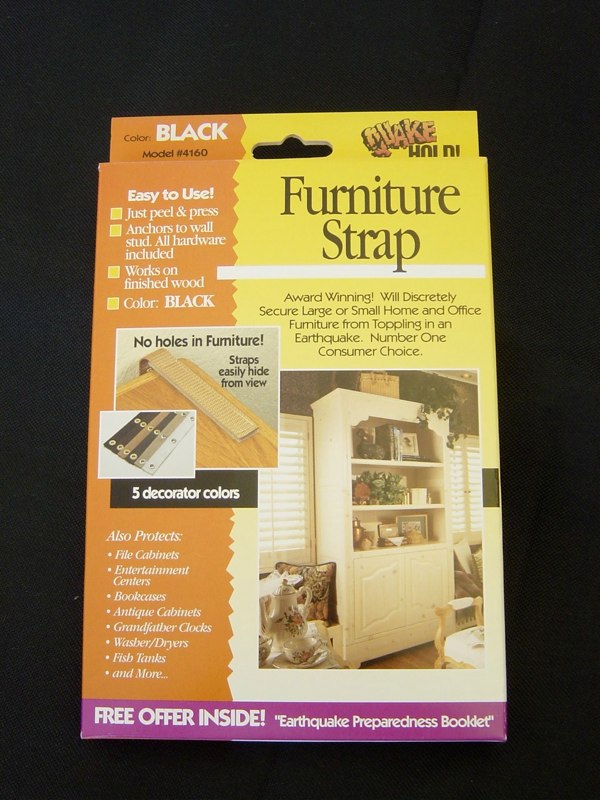
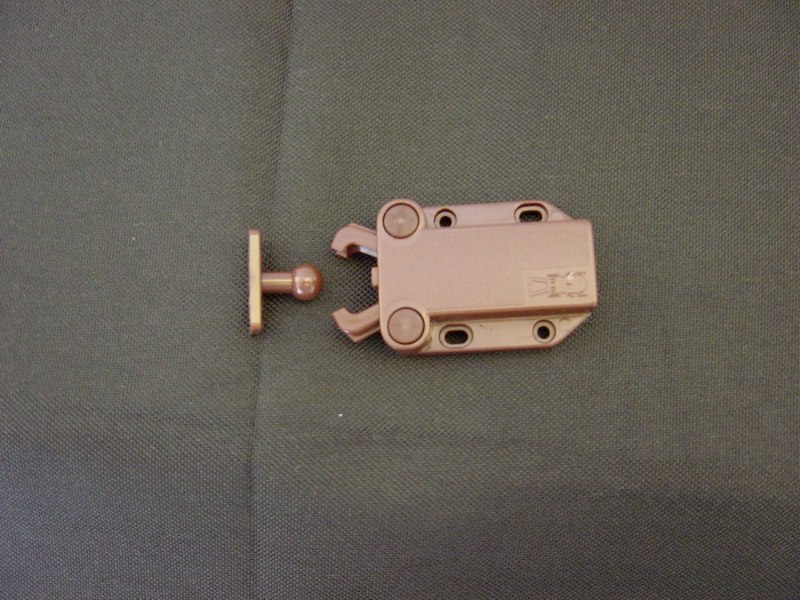
Anchor tall and top-heavy furniture to structural framing with hardware appropriate for the furniture, wall, and expected load.

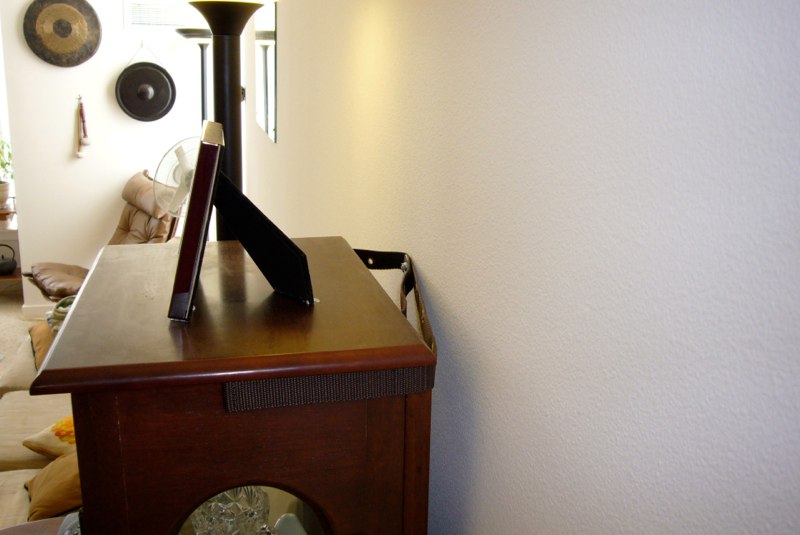
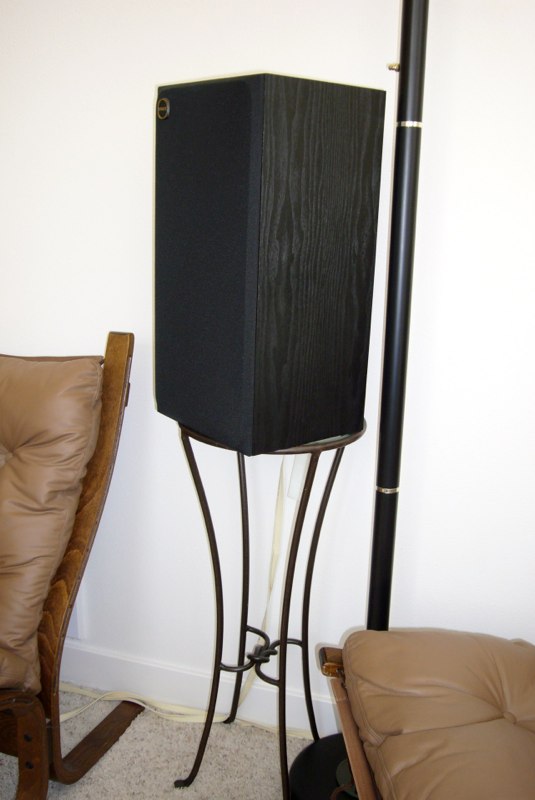
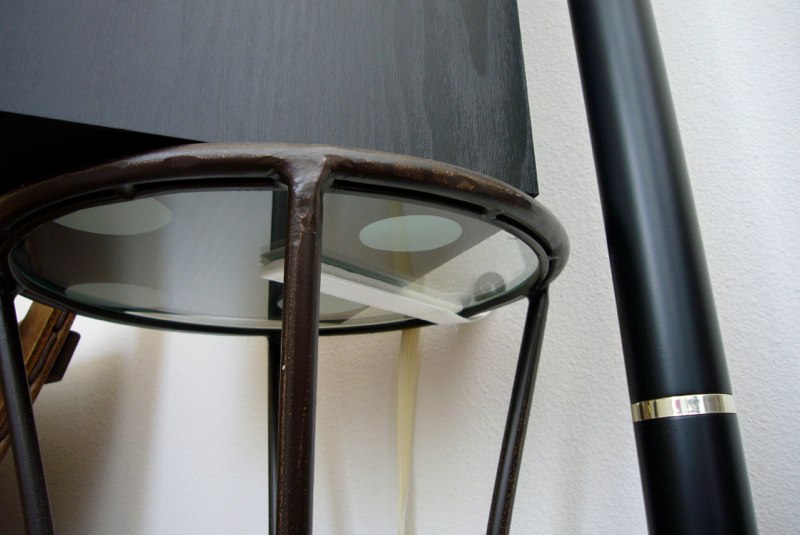
Secure stereos and computers

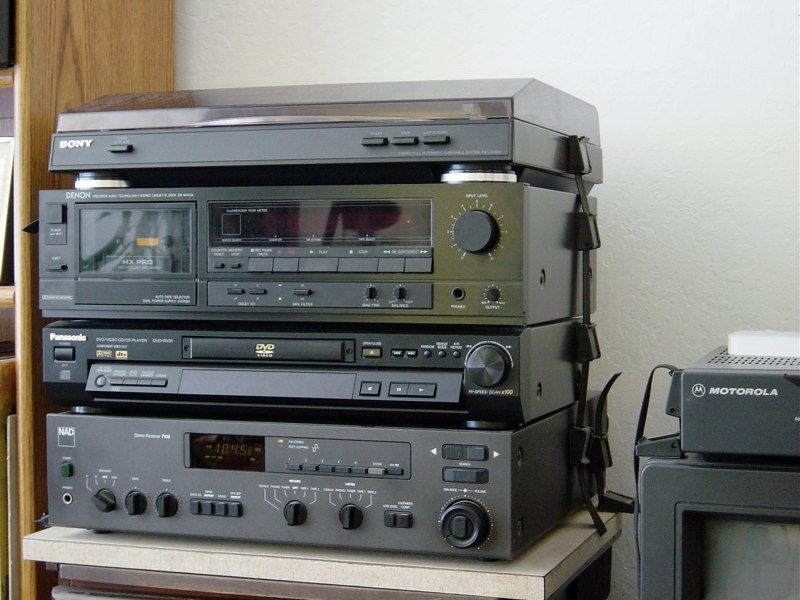
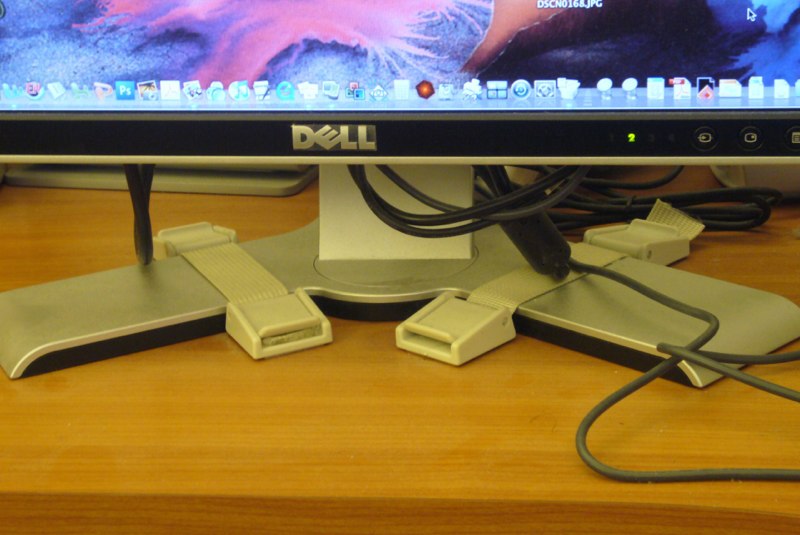
Restrain expensive or heavy electronics so they cannot slide, topple, or become projectiles. Leave enough flexibility for ventilation, cables, and ordinary maintenance.

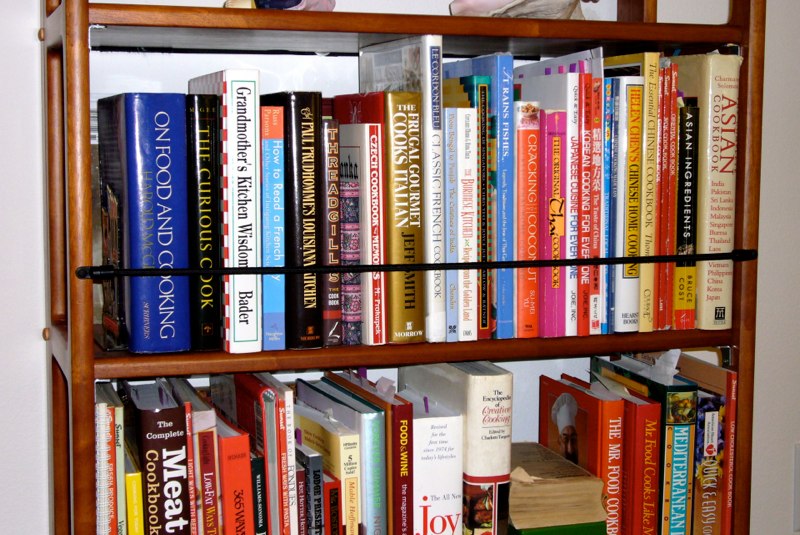
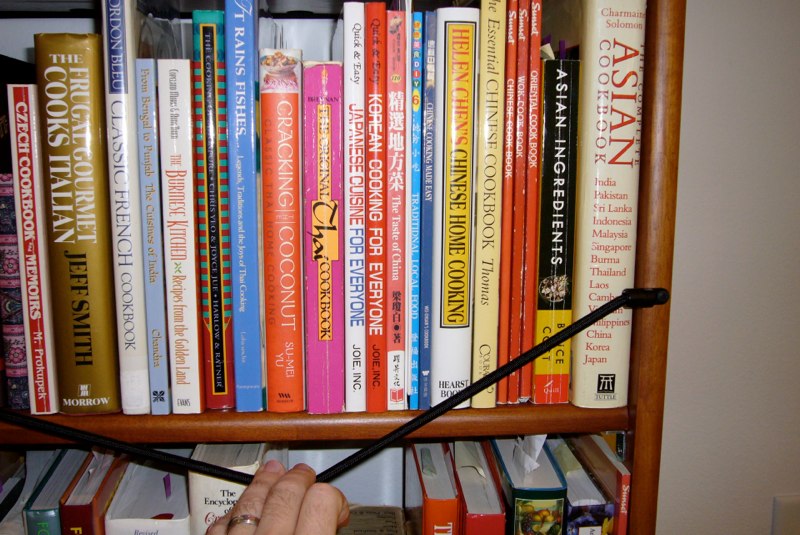
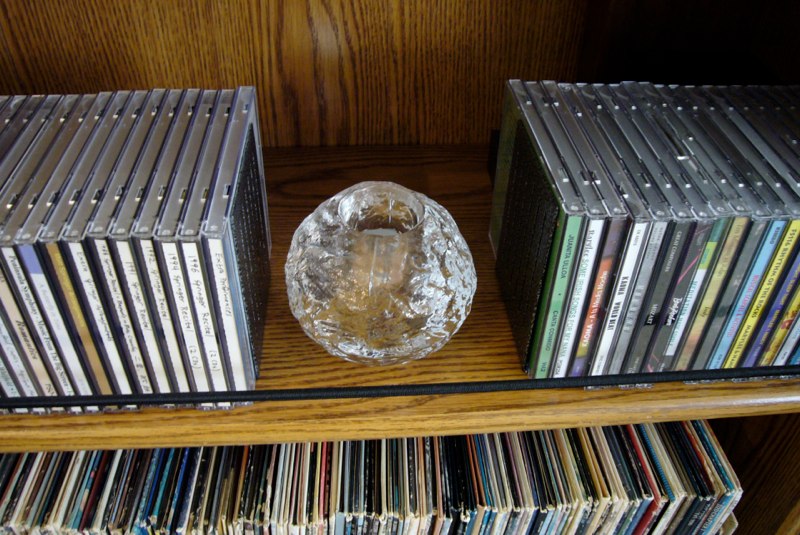
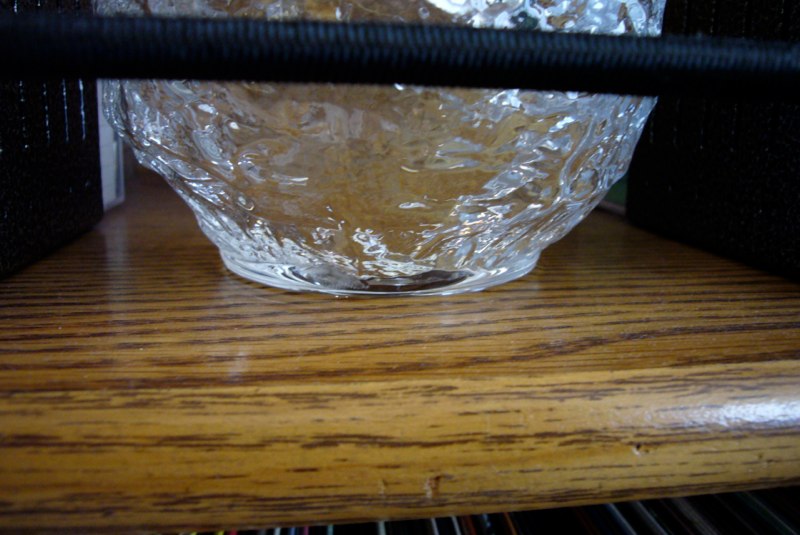
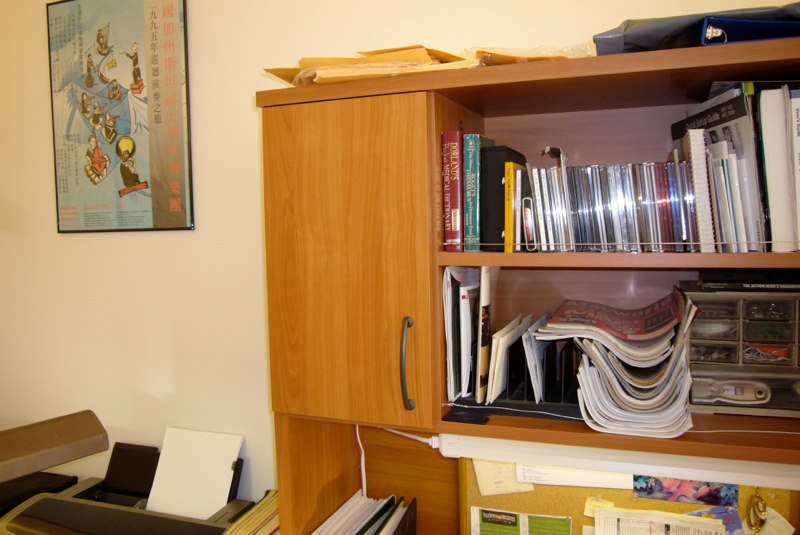
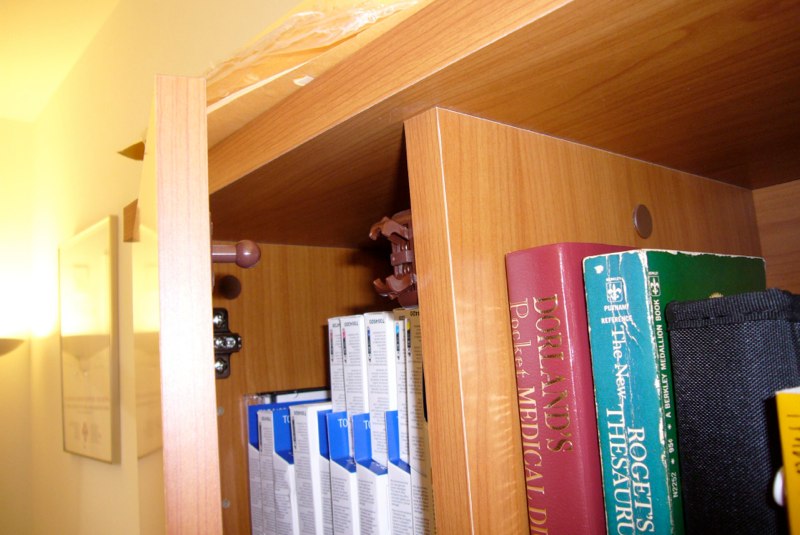
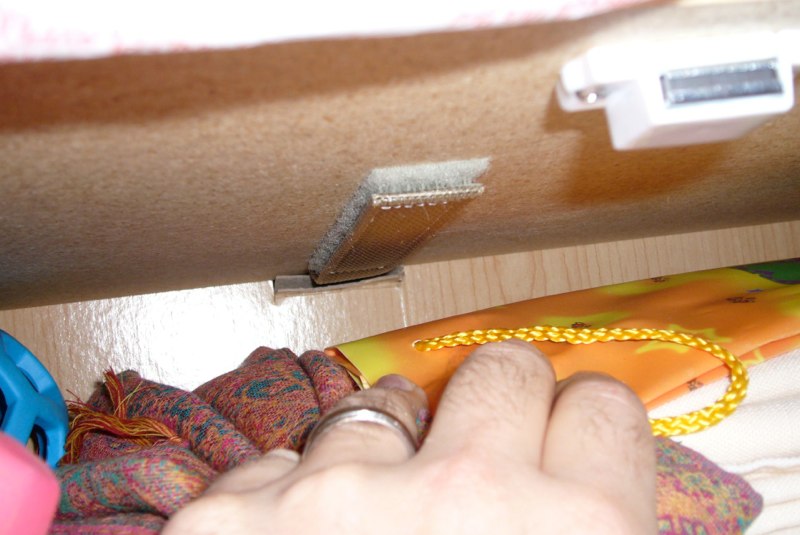
Add shelf lips or restraints

A raised front edge, stretch cord, rail, or other restraint can stop books, discs, containers, and display objects from walking forward and falling during shaking.

Nice if Possible

Once the larger hazards are controlled, work through smaller objects and unusual room-specific problems.

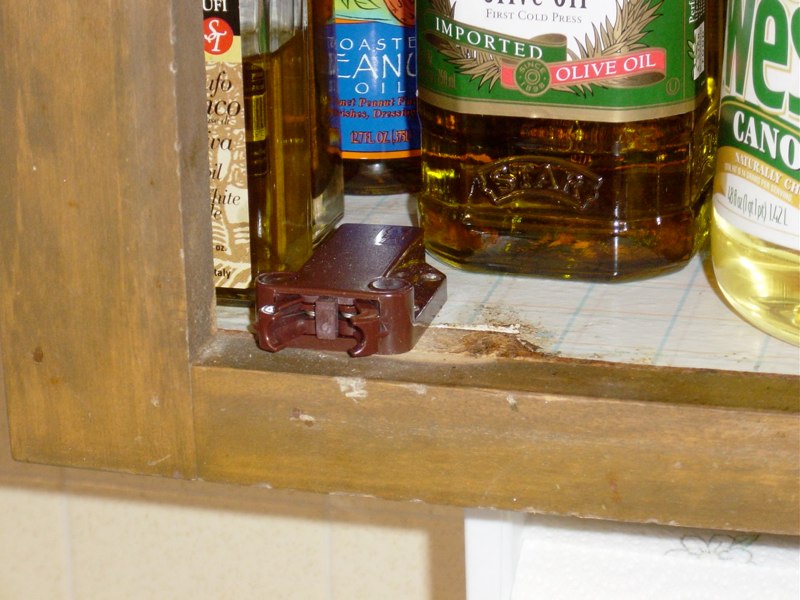
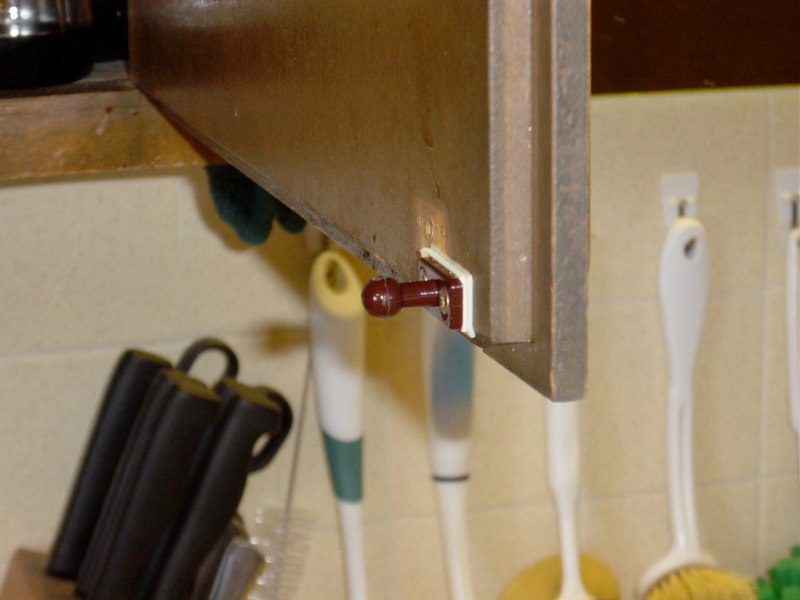
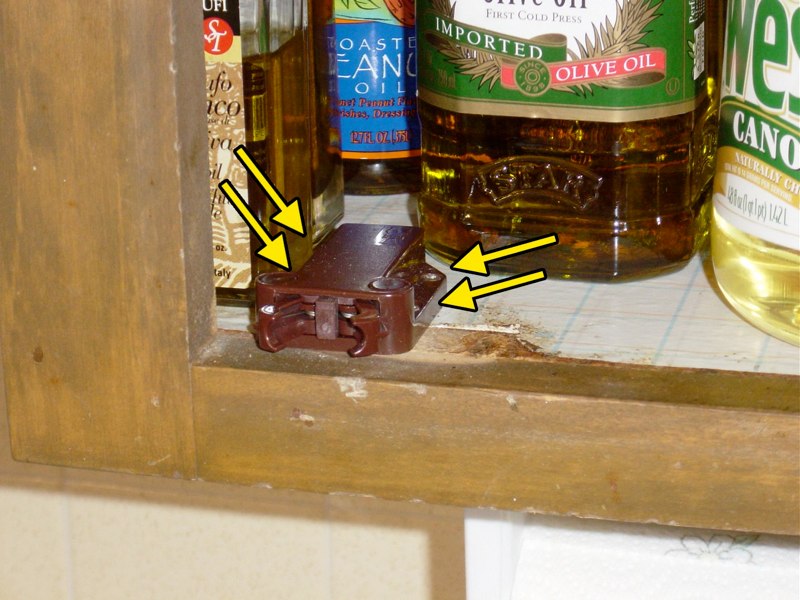
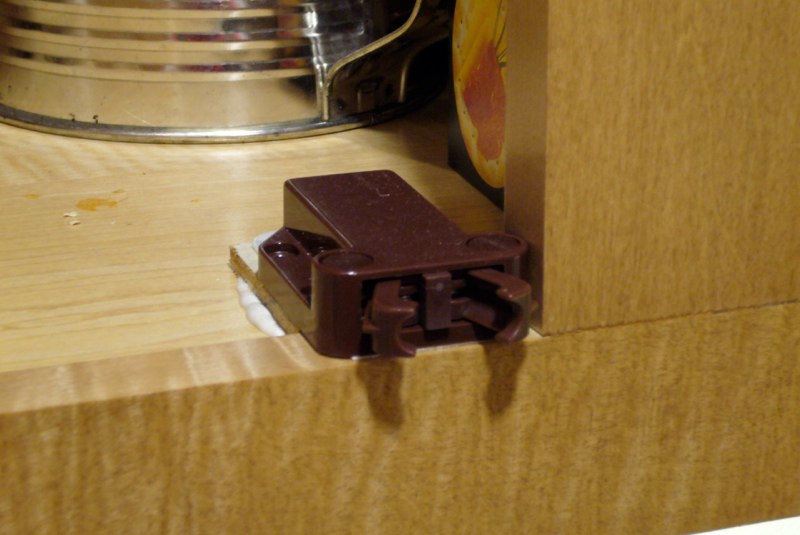
Secure household objects in general

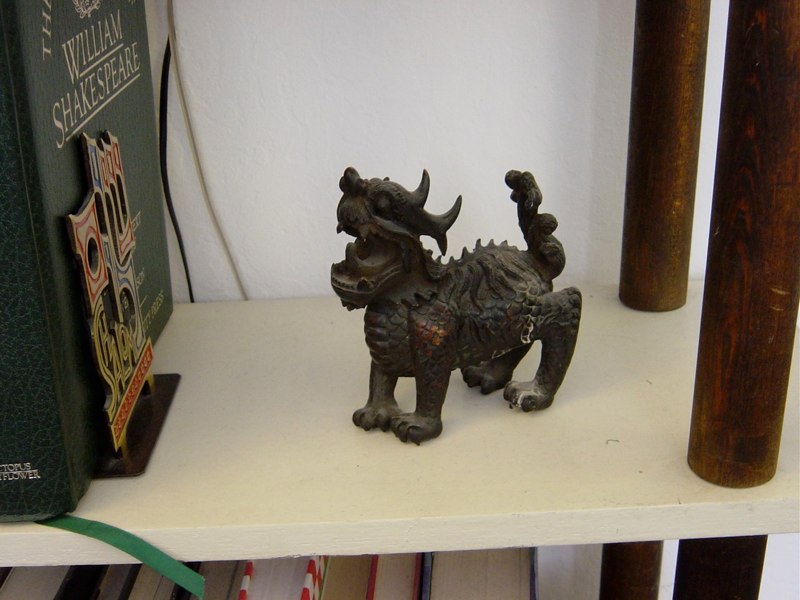
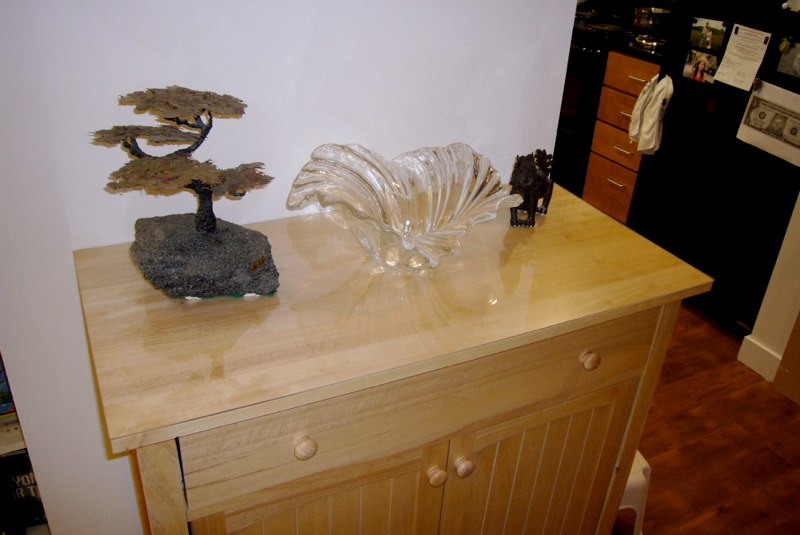
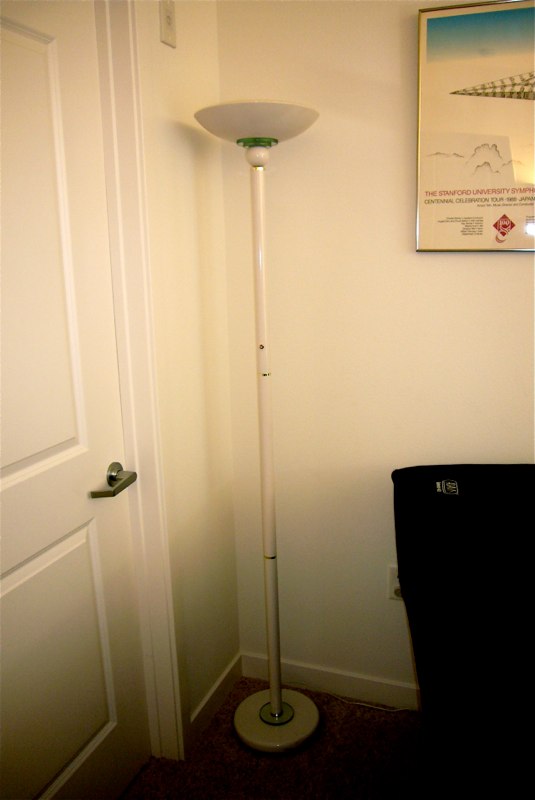
Look for objects that can fall, slide, roll, swing, spill, shatter, block an exit, expose a flame, or become accessible to a child or pet.

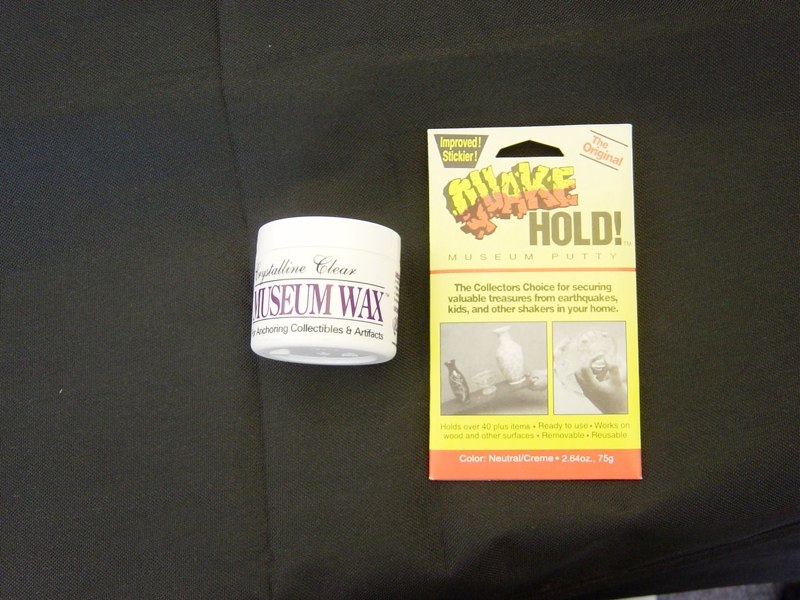
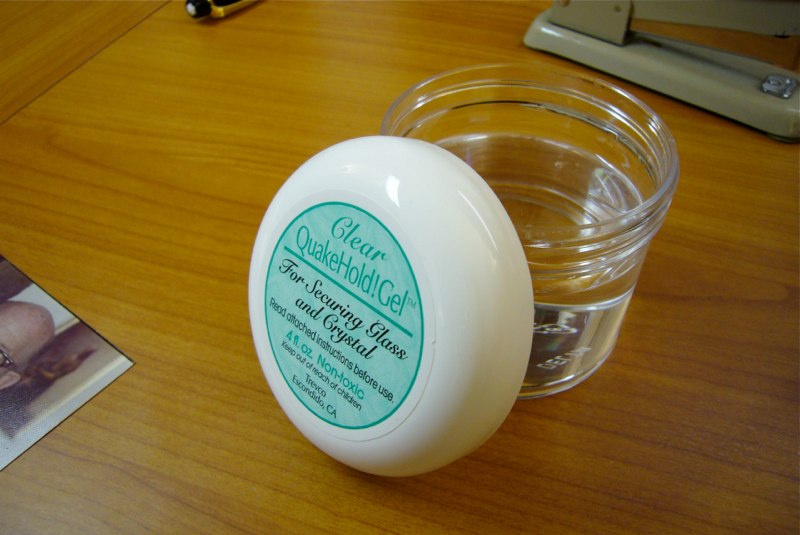
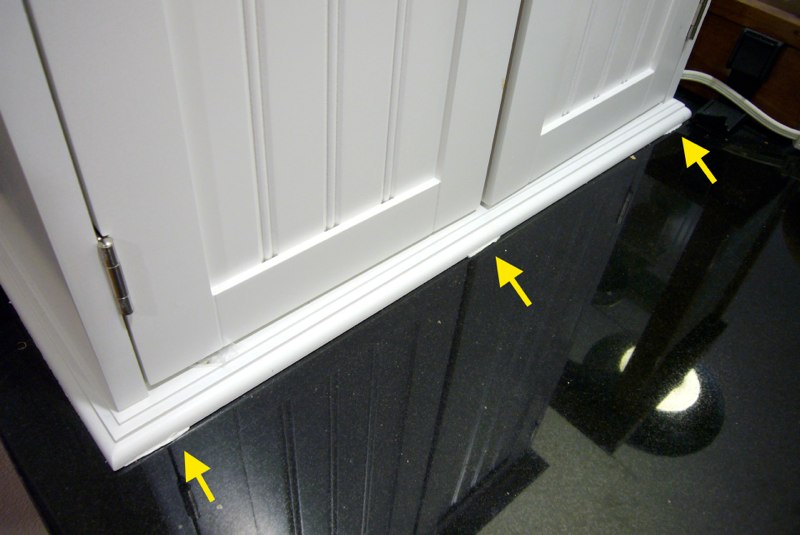
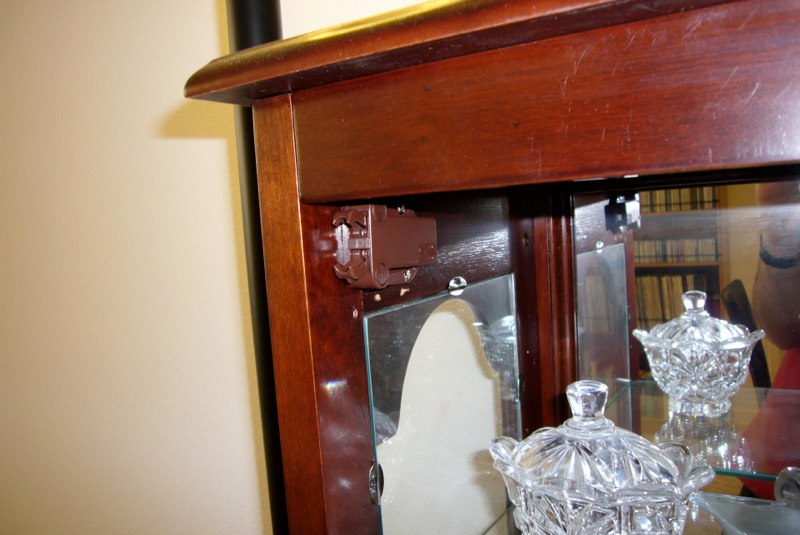
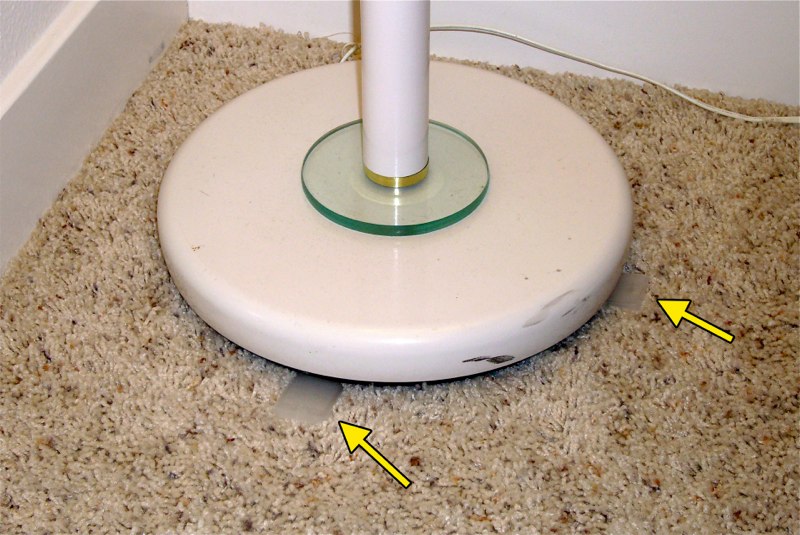
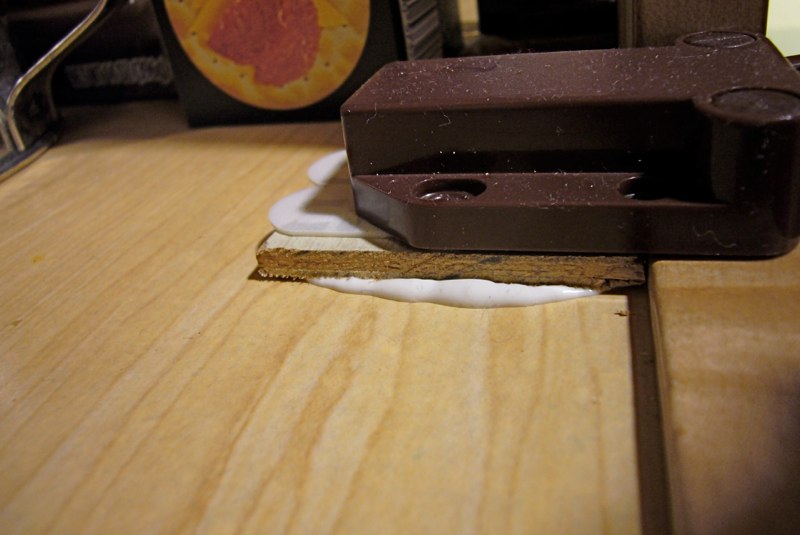
Stick down loose objects

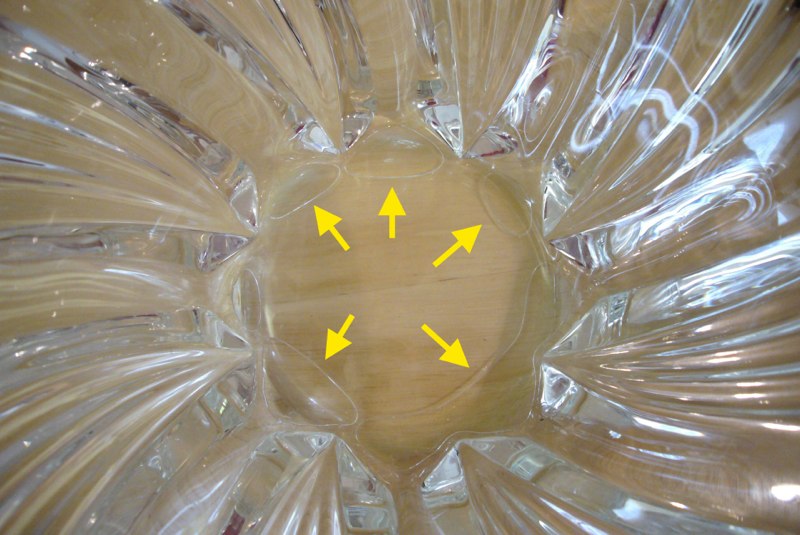
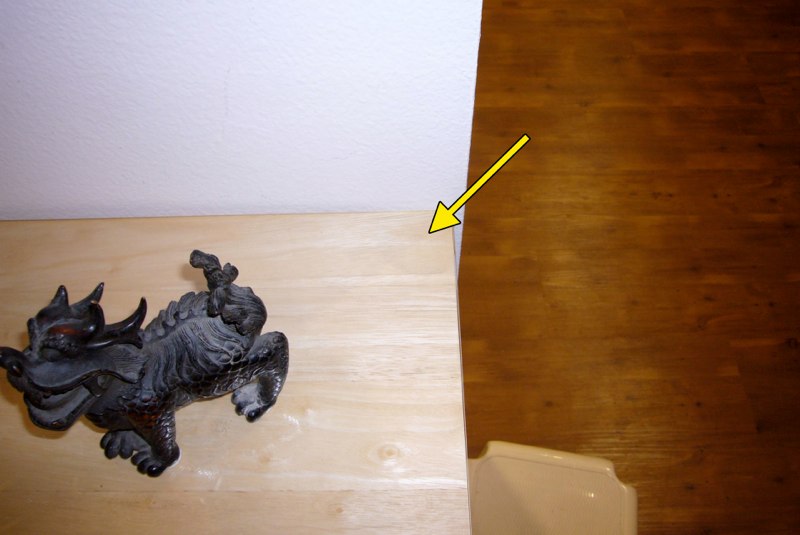
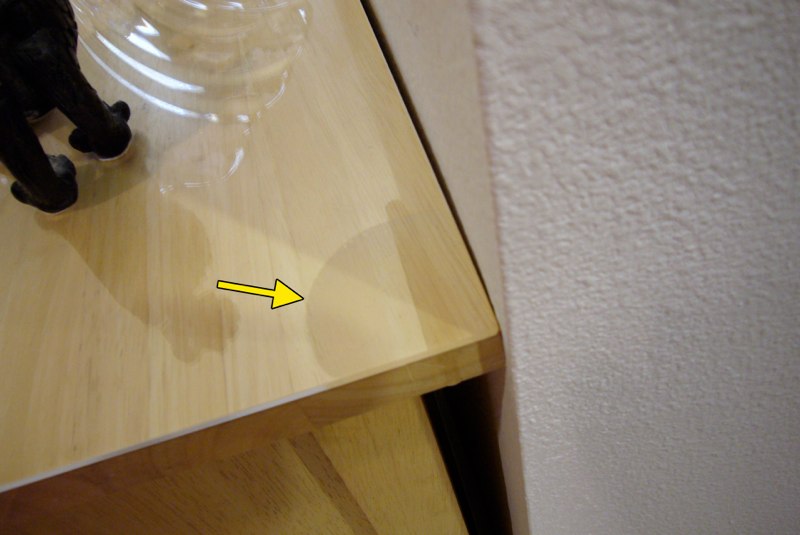
Use removable putty, gel, gripper pads, straps, buckles, or other appropriate restraints for objects that do not need to move often.

Emergency Supply Kit Checklist

A consolidated checklist for home use. Adjust quantities, medication, accessibility items, and pet supplies to fit the household. The PDF guide mentioned at the top of the page remains available for printing and includes a similar list.

Water and food

  • Stored drinking water in manageable containers
  • Shelf-stable food that household members will actually eat
  • Manual can opener and basic eating utensils
  • Food and water for pets
  • A rotation schedule for items with limited shelf life

Light, power, and information

  • Flashlights or headlamps kept where they can be reached in darkness
  • Spare batteries stored separately and checked periodically
  • Battery bank and charging cables for mobile devices
  • Battery, hand-crank, or otherwise independent radio
  • Whistle and written emergency contact information

Health and first aid

  • First-aid supplies and basic instructions
  • Prescription medication and copies of prescriptions where practical
  • Eyeglasses, hearing-device supplies, mobility-device supplies, and other access needs
  • Work gloves, sturdy shoes, dust protection, and eye protection
  • Personal hygiene and menstrual supplies

Sanitation and shelter

  • Heavy-duty trash bags, ties, toilet paper, and disinfectant
  • A plan for toilet use if water or sewer service fails
  • Blankets, warm clothing, rain protection, and a change of clothes
  • Basic tools, duct tape, plastic sheeting, and an adjustable wrench
  • Fire extinguisher appropriate for the home and familiar to household members

Documents and money

  • Copies of identification, insurance, medical, and property records
  • Household and out-of-area contact list on paper
  • Small bills and coins in case electronic payment systems are unavailable
  • Photographs or inventory of valuable possessions
  • A map showing meeting places, evacuation routes, and nearby resources

Pet supplies

  • Carrier, leash, harness, and current identification
  • Medication, food, water, bowls, and cleanup supplies
  • A recent photograph and copies of vaccination or medical information
  • A plan for retrieving animals that hide when frightened
  • An identified caregiver in case household members cannot return home
  • Also see Remember Your Pets section for more tips

Remember Your Pets

Earthquake preparedness should account for animals' lower height, curiosity, and the possibility that they may be alone after shaking.

Include pets in the emergency plan: Include food, water, medication, identification, a leash or carrier, cleanup supplies, and a recent photograph in the emergency kit. Decide who will retrieve each animal if the household must evacuate or if the primary caregiver cannot return home.

Pets create two household considerations that are easy to overlook. First, animals and small children are closer to the floor, so shorter furniture and lower objects can injure them even when those hazards are less threatening to an adult. Second, a dog or cat may be alone for hours after a small earthquake scatters objects across the floor.

Look beyond large falling furniture

Restrain not only tall bookcases but also lower shelves or objects that could strike an animal. Rows of books, discs, containers, tools, or other hard-edged objects can become hazardous when they fall from above.

Common areas of concern for pets

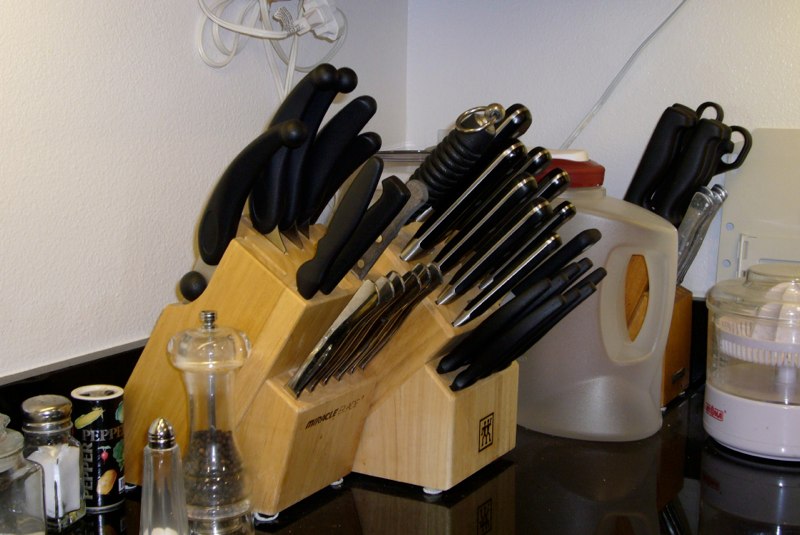
  • Keep knives and other sharp objects from falling onto the floor.
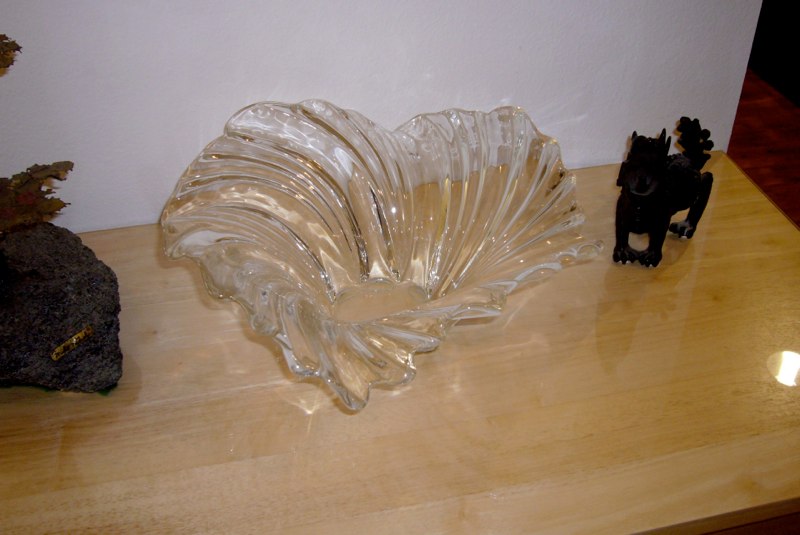
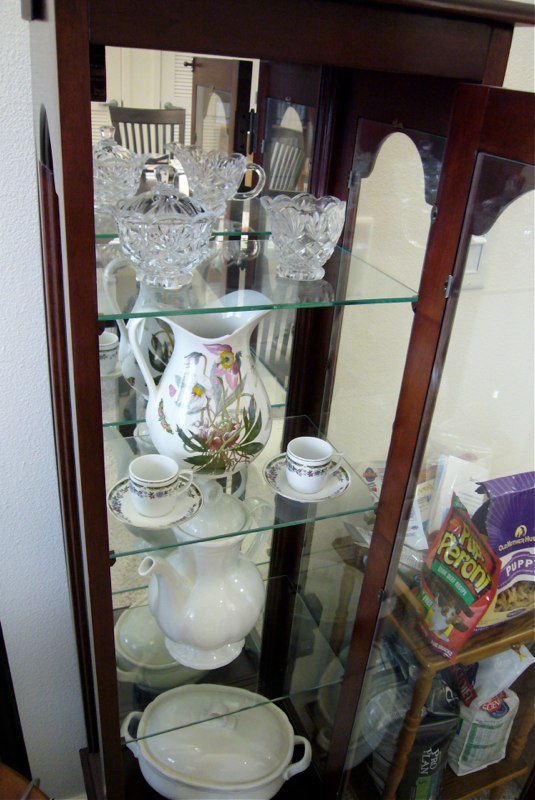
  • Secure glass and ceramics that could shatter into pieces an animal might lick, chew, or step on.
  • Prevent cleaning products, medications, and other chemicals from spilling.
  • Do not leave toxic foods where a quake can knock them into reach. Common concerns for dogs include chocolate, coffee grounds, onions, garlic, grapes, raisins, and macadamia nuts.
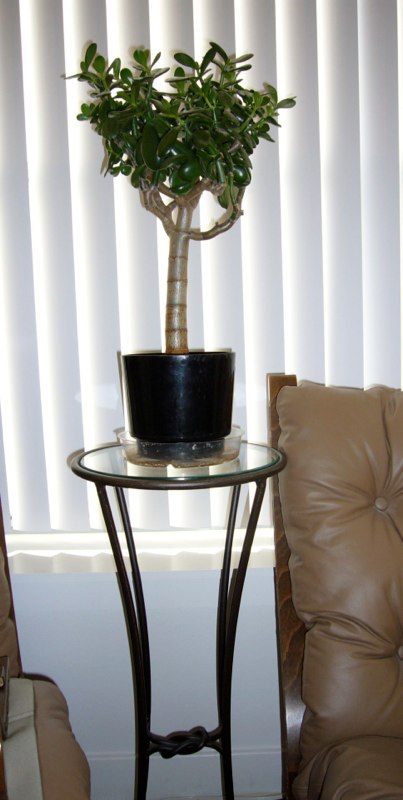
  • Check whether household plants are toxic and whether pots, soil, or leaves could become accessible after shaking.

Home Preparedness in Earthquake Country Presentation Video

A recorded version of Dr. Matthew Springer's household earthquake-preparedness presentation.

The "Triangle of Life" Method: Why Experts Reject It As mentioned in the above video (27:10 - 27:45) and what major emergency organizations now suggest

The recurring "Triangle of Life" message argues that people should position themselves beside a supposedly incompressible object instead of taking cover beneath sturdy furniture. The original resource page rejected this advice because it depends on assumptions that do not reliably describe how modern buildings and their contents behave during earthquakes.

Recommended response: Drop, Cover, and Hold On. Get low before the shaking knocks you down, protect your head and neck beneath sturdy furniture when available, and hold on so that you can move with the shelter.

Problems with the "Triangle" claim

  • A void found beside a large object after a collapse does not prove that the location was safe while the object and surrounding structure were moving.
  • Objects can slide, roll, topple, or be driven sideways before coming to rest, destroying the supposed safe pocket.
  • Many building failures produce rubble and falling fragments rather than an intact ceiling settling neatly onto furniture.
  • Demonstrations in which supports are deliberately removed do not reproduce the complex side-to-side motion of a real earthquake.
  • Widely repeated anecdotes associated with the message have included factual problems, including claims about schoolchildren during the 1985 Mexico City earthquake.

Passing along dramatic advice because it sounds plausible can increase risk. The safer message is the less sensational one endorsed by major emergency organizations: remain inside when inside, move away from obvious falling hazards when possible, and Drop, Cover, and Hold On.

Official Maps, Programs, & Further Resources

External links are limited to government, nonprofit, educational, or local-program resources.

About Dr. Springer

Remembering the scientist, musician, mentor, educator, and friend whose work forms the foundation of this earthquake-preparedness archive.

In Memoriam

Matthew L. Springer, PhD

(10/21/1963 - 06/15/2026)

Dr. Matthew Springer was a UCSF scientist, devoted mentor, accomplished musician, and longtime public educator whose earthquake-preparedness presentations helped communities throughout the San Francisco Bay Area.

Quaketips Blog Archive
Important Disclaimer: The earthquake information and advice provided herein are for general informational and educational purposes only. Elfenworks Foundation makes no representations or warranties of any kind, express or implied, regarding the accuracy, completeness, or reliability of this information. In no event shall the providers be liable for any direct, indirect, or consequential damage, injury, or death arising from the use of or reliance on this information. Always follow official directives from emergency management authorities and consult qualified professionals for structural safety assessments. For additional information, please see our full Earthquake Information Disclaimer.

Earthquake Information Disclaimer

  1. Informational Purpose Only

    This website displays earthquake information for general educational and awareness purposes only.

  2. No Warranty of Accuracy ("As-Is")

    All data is provided "as-is" and "as available" without warranties of any kind. We do not guarantee the completeness, accuracy, or reliability of any earthquake data, information, or advice shown on this platform.

  3. Professional Advice & Structural Safety

    Content on this site does not constitute professional engineering, geological, or legal advice. Users must consult licensed structural engineers or seismic experts for property evaluations, construction decisions, or official risk assessments.

  4. Limitation of Liability

    To the maximum extent permitted by law, Elfenworks Foundation, its owners, and its contributors shall not be held liable for any direct, indirect, incidental, or consequential damages. This includes, but is not limited to, property damage, financial loss, personal injury, or death resulting from the use of, reliance on, or inability to access this website's information.

  5. Primary Emergency Sources

    This website is not an official emergency response channel. In the event of an active seismic disaster, always prioritize alerts from authoritative public safety bodies, such as the USGS or your local emergency management agency.

  6. Links

    Links and pointers to non-Elfenworks Foundation sites, including the USGS, are provided for information only and do not constitute endorsement by Elfenworks Foundation of the referenced organizations, their suitability, content, products, or services, whether they are governmental, educational, or commercial. Hypertext links and other references to non-Elfenworks Foundation products and services are provided for information only and do not constitute endorsement or warranty by Elfenworks Foundation as to their suitability, content, usefulness, functioning, completeness, or accuracy.